
This city welcomes tourists year-round, and each season brings something new to experience. In winter, the city’s streets are adorned with festive lights and holiday markets, while in summer, the calendar fills up with outdoor festivals and concerts.
Planning London in March provides a particularly pleasant experience. The city is at a perfect turning point this month, as winter fades and spring begins to emerge. You will see parks beginning to bloom with early flowers, days growing longer and brighter, and the atmosphere shifting from gray and cold to fresh and hopeful.
Temperatures become more comfortable for walking and sightseeing, but you should still dress in layers, as the British weather loves to surprise you.
March also means you’ll avoid the summer tourist crowds. This gives you more room to enjoy attractions, shorter waits at famous sites, and the chance to experience London like a local.
Top 2 London Tours in March
- TOWER OF LONDON – Ceremony of the Keys
- PRIVATE TOUR – Discover Real London black cab tour of London
Weather in London During March

Temperature and Climate Patterns
In March, London’s weather is generally between the chill of winter and the warmth of spring. During the day, average temperatures range from about 10 to 13 degrees Celsius (around 50 to 55 degrees Fahrenheit). Early mornings and evenings feel quite cold, often dropping to 4 to 6 degrees Celsius (39 to 43 degrees Fahrenheit).
In early March, it generally feels like winter, with chilly mornings that may require a heavy coat. As the month progresses toward the end of March, you’ll gradually notice a warming trend. Some days surprise tourists when the pleasant temperature reaches 15 or sometimes even 17 degrees Celsius, especially on beautiful afternoons.
Rainfall and Precipitation Expectations
London’s reputation for rain is well-deserved, although in March the rainfall is relatively moderate compared to autumn and winter. You can expect about 35 to 47 millimeters of rain on roughly 16 days during the month. That doesn’t mean continuous heavy downpours but rather intermittent showers that start suddenly and end just as quickly. Read also London in January
March rainfall is generally lighter and less continuous compared to the winter months. Instead of a light drizzle all day, you’ll experience more brief spring showers. There are more cloudy days than sunny ones, meaning about 17 to 18 days remain mostly overcast.
In early March, there can be occasional snowfall, but it rarely accumulates and usually melts quickly. If you’re arriving during the first two weeks, bring clothing suited to possible winter conditions.
By late March, the chance of snowfall becomes very low, and you’ll begin to see the first real signs of spring.
Wind
March winds in London can be strong, especially along the banks of the River Thames and in open areas like Hyde Park or Greenwich. The wind chill makes the thermometer feel a few degrees lower. On windy days, a temperature of 12 degrees can feel more like 8 degrees.
The combination of cold temperatures, occasional rain, and strong winds makes layering your clothing your best strategy. The unpredictable nature of March weather has earned London the nickname “four seasons in one day” has made London a city of “four seasons in a day.”
You might start your morning wrapped up in warm clothes, shed layers when the sun comes out in the afternoon, and be back to wearing a scarf by evening.

Daylight Hours in London During March
One of the biggest advantages of March is the rapid increase in daylight hours. At the beginning of the month, the sun rises at around 6:45 to 7:05 AM, while sunset is between 5:40 and 6:00 PM. By the end of the month, the sun begins rising at about 6:10 AM, and sunset occurs around 7:30 PM.
This means that during March you get about an extra hour and a half of daylight. The days clearly feel longer, giving you more time to enjoy places without rushing. By mid-March, spring’s mildness sets in, after which daylight consistently prevails over darkness.
By the end of March, the longer daylight hours mean you can comfortably explore outdoor sites well into the early evening.
Popular attractions like the Tower of London, Kensington Gardens, or Greenwich can be easily visited after midday without worrying about it getting dark too soon.
In March, the quality of light holds a special appeal for photographers. The sun’s low angle creates beautiful golden moments early in the morning and late in the evening. The bare trees haven’t fully leafed out yet, allowing light to filter through the parks in a way that summer’s dense canopy doesn’t permit.
What to pack for London in March

Layering
Dress in layers, as the temperature fluctuates significantly between the indoor heat and the outdoor cold. Pack two or three natural-fiber shirts, including long-sleeved ones that keep you warm and breathable. Bring at least one warm wool sweater for cold days and a lightweight sweater for milder weather.
Include a few T-shirts for extra layers and flexibility.
Essential Outerwear
For early March trips, a warm coat is your most important item. Choose a wool coat or trench coat that is suitable for both daytime and evening activities. A trench coat provides flexibility in rainy weather and is stylish enough for a restaurant.
Shoes
Ankle boots are perfect for the March weather, keeping your feet warm and protected from puddles. Pack comfortable walking shoes, as you will be spending hours exploring the city.
Bring at least two pairs of pants – jeans work well, but quick-drying travel pants serve as a dry alternative if it rains. Definitely don’t bring flip-flops or summer sandals.
Rain Gear
An umbrella should be in your bag every day. Choose a compact, lightweight option that easily fits in your daypack. A waterproof jacket provides extra protection during heavy rain. Rain boots keep your feet dry when puddles form on sidewalks and streets.
Accessories
Bring a scarf for extra warmth around your neck, especially during evening walks. Pack sunglasses too, even if the forecast is mostly rain—sunny days in March can surprise tourists. A comfortable daypack or crossbody bag comes in handy for holding your layers of clothing, an umbrella, a water bottle, and everyday essentials.
If you’re going at the beginning of the month, also pack gloves and a warm hat.
Special Occasions
Pack a nice outfit for evening dinners or theater outings. London’s restaurants and venues have higher dress standards than in many cities. Women can bring a midi dress that can be dressed up with tights and boots. Men should pack dress pants and a collared shirt.
Spend Christmis in London
Events in London in March
St. Patrick’s Day Celebrations
On March 17th for St. Patrick’s Day, London is flooded with green. A St. Patrick’s Day parade passes through central London, featuring decorated floats, marching bands, and dance groups. Trafalgar Square hosts free festivities with live music, Irish dancing, and food stalls.
Pubs across the city serve endless pints of Guinness while live bands play traditional Irish music. Kensington Market hosts famous parties with green decorations everywhere.
International Women’s Day

International Women’s Day is celebrated with events across London on March 8th. Various venues host silent discos, Girl Power Classics, pink gin-filled quizzes, and screenings of empowering films. Museums and galleries host special talks to celebrate women’s achievements. The day brings together celebrations, educational events, and thought-provoking discussions about women’s rights and equality.
Mother’s Day
Mother’s Day is celebrated on the third Sunday of March, giving you the perfect excuse to make your mom happy. London’s top attractions offer special events, promotions, and gifts for moms. Treat them to a luxurious experience like afternoon tea at a grand hotel, a cocktail masterclass, or a relaxing spa day.
Many restaurants create special Mother’s Day menus with multiple courses and unlimited options.
BFI Flare Film Festival
The BFI Flare Film Festival celebrates LGBTQIA+ cinema with a showcase of groundbreaking films from around the world. The festival brings diverse stories to London screens, and presents queer cinema in all its forms. Events include film premieres, panel discussions, and LGBTQIA+ community celebration parties.
Cultural Festival
The festival of colors, Holi, brightens London with vibrant colors during March. Holi events are held at various locations, featuring a shower of colors, live Bollywood DJs, drummers, Indian street food, and dance performances.
Theater and Entertainment
West End shows continue with classics like The Lion King, Wicked, Hamilton, and The Mousetrap. New offerings often begin in March, providing theatergoers with new options.
Exhibitions and Museums
Major museums launch new exhibitions in March. Art galleries across London offer everything from contemporary installations to glimpses of the historical past. The Design Museum, Tate Modern, Tate Britain, and other cultural institutions present thought-provoking exhibitions.
Top Things to Do in London in March

Visit World-Class Museums
Explore the British Museum and marvel at the Rosetta Stone, Egyptian mummies, and Greek statues spanning thousands of years. The Natural History Museum amazes visitors with its dinosaur skeletons and a model of a blue whale. The Science Museum engages people of all ages with its interactive exhibits.
Tate Modern showcases contemporary art in a converted power station. Best of all, these major museums offer free admission.
See Famous Historical Sites
Take a ride on the London Eye to enjoy 360-degree views of the city stretching for 40 miles. Visit the Tower of London and see the Crown Jewels guarded by the Yeoman Warders.
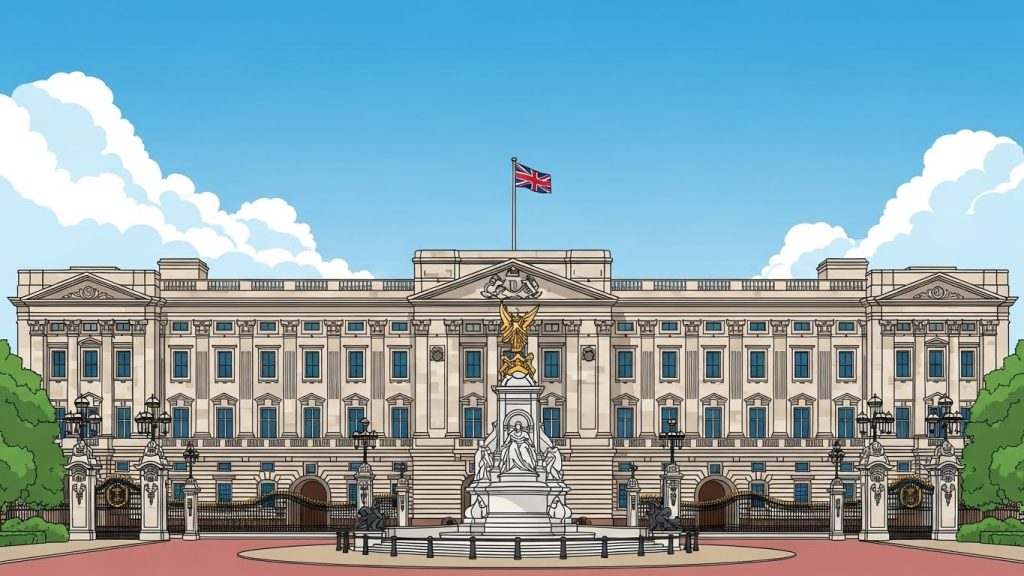
Visit Westminster Abbey, where coronations and royal weddings take place. Watch the Changing of the Guard at Buckingham Palace. Cross Tower Bridge and explore its Victorian engine rooms and glass-floored walkways.
Enjoy the Spring Bloom
Early spring flowers begin to bloom in London’s parks and gardens as early as March. Kew Gardens fills with early crocuses, tulips, and cherry blossoms.
Attend the Orchid Festival inside the Princess of Wales Conservatory and see thousands of colorful orchids. Greenwich Park, Regent’s Park, and St. James’s Park have rows of pink cherry blossom trees that are perfect for Instagram photos. Early signs of spring appear in Hyde Park and Kensington Gardens, where daffodils adorn the landscape.
Explore the markets
Check out the Columbia Road Flower Market on Sunday mornings for beautiful flowers and plants. Camden Market offers vintage clothing, street food, and unique gifts. Borough Market attracts food lovers with artisan cheeses, fresh produce, and international cuisine.
Covent Garden Market features handmade goods and street performers to entertain the crowds.
Visit Royal Palaces
Visit Hampton Court Palace and discover Henry VIII’s former home with its Tudor architecture and beautiful gardens. Kensington Palace offers royal history and changing exhibitions. The Royal Mews at Buckingham Palace houses the official carriages and motor vehicles of the Royal Family.
Take a day trip
Get out of the city for a day trip to nearby destinations. Visit Stonehenge to see its mysterious ancient stone circle. Tour the university city of Oxford with its historic colleges. Visit Windsor Castle, the Queen’s weekend residence. Wander through the beautiful Cotswolds villages, with their honey-colored stone cottages.
Experience the magic of Harry Potter
The Warner Bros. Studio Tour takes you behind the scenes of the Harry Potter films. Stroll through the Great Hall, explore Diagon Alley, board the Hogwarts Express, and see the original costumes and props.
Food and Drink
Sample cuisines from around the world at London’s diverse restaurants. Try traditional British fare in historic pubs. Enjoy afternoon tea in grand hotels. For modern dining experiences, explore fashionable areas like Shoreditch and Soho. Book reservations at popular restaurants, especially on weekends.
Where to Stay in London in March

Best Areas for First-Time Visitors
Covent Garden and Westminster put you right in the heart of London’s hustle and bustle. You can walk to major historic sites like the British Museum, Trafalgar Square, and Buckingham Palace. This area is bustling day and night with countless restaurants, pubs, and entertainment options. You’ll find everything from mid-range to luxury hotels, and public transportation connections are excellent.
Paddington and Bayswater are the best choices for families and budget-conscious travelers. These areas are close to Hyde Park and offer easy access to shopping on Oxford Street. The Heathrow Express train reaches Paddington in just 15 minutes, making airport travel easy. You’ll find hotels here to suit every budget, from budget-friendly to comfortable mid-range options.
Bloomsbury appeals to culture enthusiasts with its literary history and proximity to the British Museum. This area offers quieter streets compared to the main tourist zones while still maintaining easy access to key attractions. Hotels here are more affordable than those in Mayfair or Westminster, yet still provide a central location.
The Best Areas for Luxury Accommodation
Mayfair is London’s most exclusive district, filled with beautiful townhouses, high-end restaurants, and prestigious hotels. Claridge’s, with its legendary service, offers timeless Art Deco splendor. The Connaught offers understated yet magnificent luxury with an award-winning restaurant and an underground spa. The prices for these properties are steep, but they provide unforgettable experiences.
The areas of The Strand and Trafalgar Square are home to famous historic hotels perfectly situated for sightseeing. The Savoy, located on the banks of the River Thames, was originally opened in 1889 and offers world-class luxury less than a five-minute walk from the British Museum and the Royal Opera House.
Best Areas for Families
South Kensington is an ideal base for families, as the Natural History Museum, Science Museum, and Victoria and Albert Museum are all within walking distance. This neighborhood offers great restaurants and quiet residential streets in a splendid yet friendly atmosphere. Kensington Gardens and Hyde Park provide outdoor space for children to run around.
King’s Cross and St. Pancras are ideal for families arriving by train, offering easy connections to the Eurostar and Northern England. In recent years, the area has been transformed by modern hotels, restaurants, and family attractions such as the British Library.
Where to Eat in London in March
Da Terra in Bethnal Green is one of London’s top restaurants, holding two Michelin stars since 2021. The tasting menu costs £260 per person and features dishes inspired by Brazilian chef Rafael Cagali’s culinary journey, including quail tortellini with black truffle, chalk stream trout with truffle, and plates featuring scallions and fava beans.

The Michelin-starred restaurant near London Fields offers an 18-seat chef’s table experience. Chef Andy Bennion creates a unique, fish-focused tasting menu served around a horseshoe-shaped counter, where diners can watch the chefs prepare dishes such as fried squid with trout and oysters, lobster tortellini with confit, and Scottish crab with white garlic sauce.
Plates in Old Street became the UK’s first vegan restaurant to receive a Michelin star in February 2025. Siblings Kirk and Kelly Howarth serve creative plant-based dishes such as barbecued maitake mushrooms with black bean mole, wild garlic soup with potato fritters, and slow-cooked cream.
Core by Clare Smyth in Notting Hill holds three Michelin stars and offers beautiful, vibrant food that feels lively and approachable. The tasting menu costs £225 per head.
The Ritz Restaurant in Piccadilly offers traditional fine dining with tailcoated service, classic touches, tinkling piano music, and a five-course dinner priced at £199.
Note: Prices may vary these are valid till 12/05/2025
Where can we go in London in March?
In March, there are countless places to visit in London, and you can easily get anywhere using public transportation like the Tube, buses, and even Uber Boats. No matter which part of London you’re staying in, you will find exciting activities.
Start your journey by visiting some of London’s most famous landmarks. Buckingham Palace is the monarch’s official residence, and you can watch the Changing of the Guard ceremony outside.
Visit Westminster Abbey, where for centuries members of the royal family have crowned kings and queens. The Tower of London tells the stories of prisoners and the Crown Jewels, while nearby Tower Bridge offers spectacular photo opportunities.
St. Paul’s Cathedral impresses visitors with its grand dome and beautiful interior.
You can watch the St. Patrick’s Day parade, which adorns the streets with colorful floats and Irish music. West End theatre shows take place every night, offering you world-class performances in historic venues. Art enthusiasts should visit the National Gallery in Trafalgar Square, where you can view masterpieces by Van Gogh, Monet, and other famous painters for free.
Read also
2 Responses