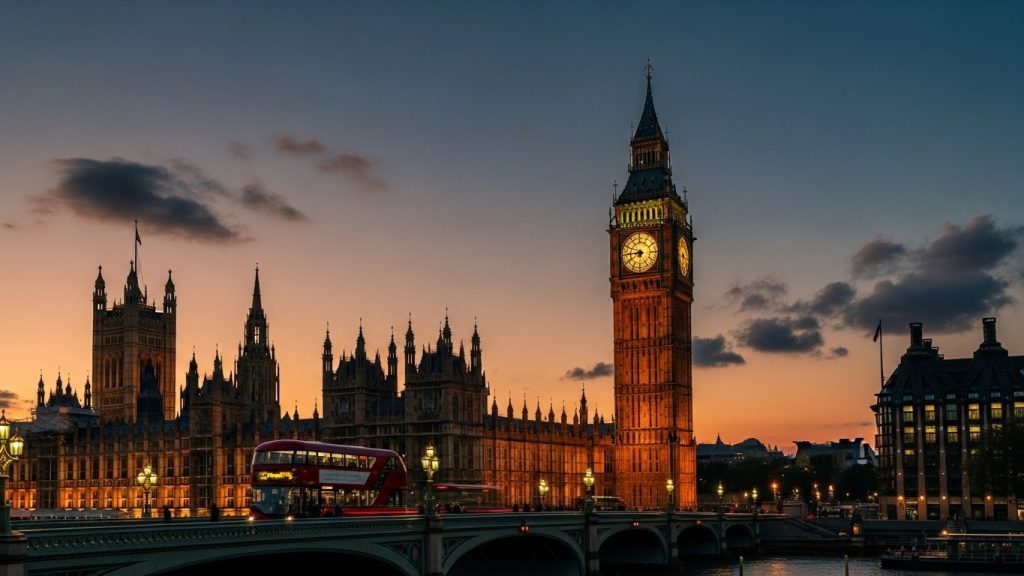
The practice of changing clocks twice a year has become such a familiar part of British life that most people don’t give it a second thought. Yet every spring and fall millions of us rush to remember which way the clocks go, fumbling with our wristwatches and wall clocks, and wondering why we’re still doing this in the modern age.
Even in 2026, this tradition has been going on for over a century. Let’s dive deep into everything there is to know about British Summer Time in 2026, from the exact dates and times to the fascinating history of this custom.
Clock Changes in London
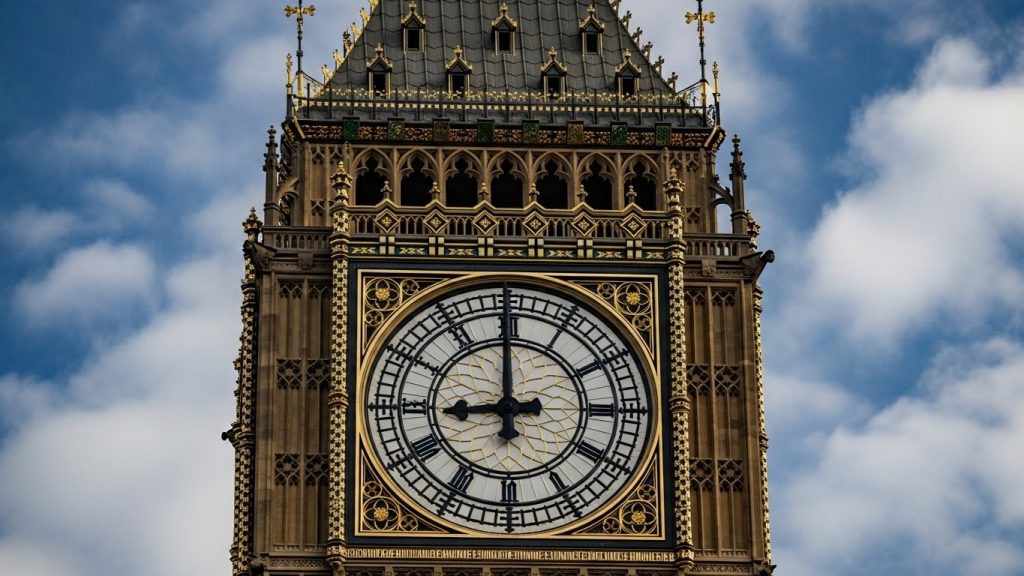
Spring Forward on 29th March 2026
In 2026, the first clock change will take place in the early hours of Sunday, March 29. At exactly 1 a.m., clocks across the UK will spring forward by one hour to immediately become 2 a.m. This moment marks the official start of British Summer Time (BST), which will last for seven months until the end of September.
What does this mean for you in practical terms? Well, you will lose an hour of sleep this weekend. If you go to bed at your usual 11 p.m. and plan to wake up at 7 a.m. for your usual eight hours of sleep, the time change means you will actually only get seven hours. Your alarm will still go off at 7 a.m. on your clock, but your body will feel like it’s only 6 a.m.
That’s why the Monday after the clocks spring forward is often called “the sleepiest day of the year” – millions of people drag themselves to work, feeling restless and uncomfortable.
In return, however, you get gloriously long evenings. After the clocks spring forward, the sun suddenly sets an hour later each day. Winter’s 4:30 p.m. dark evenings are replaced by daylight stretching into 7 p.m., 8 p.m., and eventually past 9 p.m. during the height of summer.
Read : London Living Wage
Fall Back on 25th October 2026
British Summer Time will end its annual run on Sunday, October 25, 2026, at 2:00 a.m. At that moment, clocks across the UK will be set back one hour to 1:00 a.m., and the country will revert to Greenwich Mean Time (GMT). This change will reverse all the adjustments made in March and give you back that one hour of sleep you sacrificed in the spring.
The clock change in October is generally considered easier of the two. Instead of losing sleep, you get an extra hour of it. If you stick to your usual sleep and wake-up times, that Saturday night becomes nine hours instead of eight.
Many people enjoy this extra hour, using it to sleep in, relax on Sunday morning, or unwind after a long week.
But there is a significant downside that affects people’s mood and well-being. Once the clocks are turned back, the evenings suddenly become very dark. If you finish work at 5 or 6 p.m., you will now be going home in the dark instead of in the light. This dramatic change can feel quite depressing for many people, especially those who suffer from Seasonal Affective Disorder (SAD).
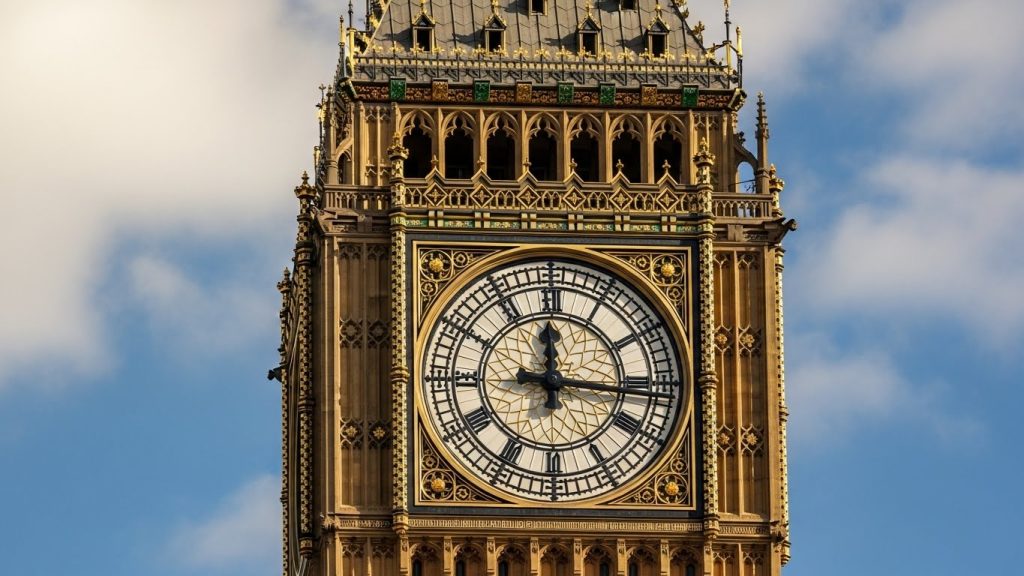
The lack of evening sunlight further exacerbates the “winter blues” that spread during the dark months in the UK.
At the end of October, sunset time shifts in a single night from 6 p.m. to 5 p.m., and it continues to get earlier after that, with the earliest sunset at around 3:45 p.m. in late December.
Effects on Children, Parents, and Family Routines
Parents of young children face considerable difficulties when the clocks change. Newborns and young children don’t understand the concept of changing clocks—their bodies only know what feels right according to their internal schedules. When the clocks change, it disrupts families.
The clock change in October creates different problems. Children can wake up very early—sometimes too early—because their internal systems haven’t adjusted yet.
If they normally wake up at 7 a.m., their bodies will think it’s 7 a.m., even though the clock says 6 a.m. They will also get tired early in the evening, which can disrupt dinner and evening activities.
Pediatric sleep experts recommend a gradual adjustment strategy. One week before the March change, delay your child’s bedtime by 10-15 minutes every other night. If possible, do the same with their wake-up time. After the change, stick to the new schedule and use light to help reset their circadian rhythm – bright light in the morning, dim light in the evening.
Why Do We Change the Clocks Twice a Year?
The primary purpose of changing the clocks is to make better use of natural light during the longer days of spring and summer. When we set our clocks forward in March, one hour of daylight shifts from the morning to the evening. This means we can enjoy brighter evenings and make the most of outdoor activities after work or school.
This practice also has historical roots in energy conservation. During World War I and World War II, longer daylight hours meant people needed less artificial lighting in the evenings. Although energy conservation is not as critical today, the tradition has been maintained.
Who Came Up With This Idea?
A man named William Willett, who happens to be the great-great-grandfather of Coldplay’s Chris Martin, published a pamphlet in 1907 called “The Waste of Daylight.” He noticed how much morning sunlight went unused while people slept, and he thought society could benefit from shifting the clocks.
Sadly, Willett died in 1915 before his idea became reality. A year after his death, Parliament passed the Summer Time Act, which officially established the practice of moving the clocks forward in summer.
How Does British Summer Time Work?
British Summer Time runs every year from the last Sunday in March to the last Sunday in October. During this period, the UK runs one hour ahead of Greenwich Mean Time. This system gives us those long, bright summer evenings we all eagerly await.
When October arrives, we switch back to GMT, which makes the mornings brighter but the afternoons and evenings darker.
Will Your Phone Update Automatically?
Good news for smartphone users – as long as your device stays connected to the Internet, it will update automatically. The time change will happen seamlessly.
You will need to manually adjust the time on older devices like wall clocks, car clocks, oven timers, and traditional watches. To avoid confusion, it’s best to quickly check all your clocks on Sunday morning.
Why Do the Clocks Change on a Sunday?
The decision to change the clocks was made for Saturday night or Sunday morning because it causes minimal disruption to schools and businesses.
Most people are at home and not at work, which makes the change easier. Imagine the chaos if clocks were changed during Wednesday morning rush hour – it would cause all kinds of problems with schedules and appointments.
What About the Rest of Europe?
Most European countries change their clocks on the same dates as the UK, including all EU member states, Norway, Switzerland, Monaco, Ukraine, and Andorra. While the UK is no longer part of the European Union, it has kept the same clock-change schedule. This coordination makes life easier for travelers and businesses that work across borders.

Do People Still Support Changing the Clocks?
The clock change has become a hot topic of debate. Proponents argue that it allows us to make better use of daylight, while critics raise safety concerns about the morning darkness and disruptions to people’s sleep routines. Some farmers are also concerned about how the time change affects their livestock’s routines.
Some people argue that the whole system is outdated. Many of us spend most of our time inside well-lit buildings where natural light makes little difference.
Final Thoughts
In 2026, British Summer Time will follow the same familiar pattern that millions of people across the UK have experienced for generations. On March 29, we will set our clocks forward, ushering in the long, light evenings that make summer feel truly special. On October 25, we will turn the clocks back, signaling the return of darker afternoons that herald the approach of winter.
Important dates to remember:
Clocks forward: Sunday, March 29, 2026, 1:00 AM (Clocks will become 2:00 AM)
Setting clocks back: Sunday, October 25, 2026, at 2:00 AM (the clocks will go back to 1:00 AM)
See Video Below here
4 Responses